
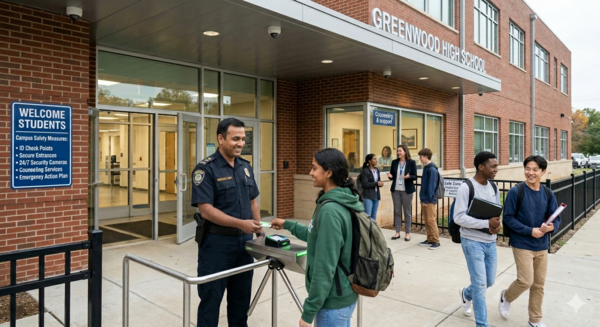
How Schools Can Assure Safety and Security for Every Student
A safe and secure school environment is essential for effective learning and the overall well-being of students. Parents today look beyond academics and carefully evaluate the safety measures a school has in place before making an admission decision. Schools must therefore adopt a comprehensive approach that protects students physically, emotionally, and digitally.
Why School Safety Matters
When students feel safe, they are more confident, engaged, and focused on learning. A secure environment not only reduces risks but also helps build trust among students, parents, teachers, and the wider school community.
Key Measures to Ensure School Safety and Security
1. Robust Campus Surveillance
Modern schools use CCTV cameras to monitor classrooms, corridors, playgrounds, and entry and exit points. Continuous surveillance helps deter unauthorized activities and enables quick response to incidents.
2. Controlled Access and Visitor Management
Restricting access to authorized individuals is crucial. Schools should implement visitor registration systems, issue ID cards, and maintain security personnel at all entry points to ensure only approved individuals can enter the campus.
3. Well-Trained Security Personnel
Professional security staff play a vital role in maintaining discipline and responding effectively during emergencies. Regular training helps them stay prepared for various situations.
4. Safe and Reliable Transportation
School transportation should include GPS-enabled buses, trained drivers, vehicle monitoring systems, and attendants to ensure students travel safely between home and school.
5. Emergency Preparedness and Safety Drills
Regular fire drills, evacuation exercises, and emergency response training help students and staff understand how to act during unforeseen situations. Preparedness can significantly reduce risks during emergencies.
6. Fire and Disaster Safety Systems
Schools should be equipped with fire extinguishers, smoke detectors, alarm systems, emergency exits, and disaster management protocols to ensure rapid action when needed.
7. Health and Medical Support
A well-equipped infirmary, trained medical staff, first-aid facilities, and access to emergency healthcare services are essential for addressing student health concerns promptly.
8. Child Protection and Staff Verification
Background checks for employees, strict child protection policies, and awareness programs help create a safe environment where students are protected from harm and misconduct.
9. Cyber Safety and Digital Security
As education becomes increasingly digital, schools must implement secure online platforms, data protection measures, and digital citizenship programs to safeguard students from cyber threats.
10. Promoting Emotional Well-being
Safety goes beyond physical security. Counseling services, anti-bullying policies, mental health support, and open communication channels help foster a positive and supportive school culture.
Building a Culture of Safety
Effective school security is not achieved through technology alone. It requires collaboration among school leaders, teachers, students, parents, and support staff. Regular reviews, continuous improvements, and a shared commitment to student welfare create a culture where safety becomes everyone's responsibility.
Conclusion
Ensuring safety and security in schools is fundamental to providing quality education. By combining advanced security systems, emergency preparedness, child protection policies, transportation safety, and emotional support, schools can create an environment where students feel protected, confident, and ready to learn. A secure school is not just a place of education—it is a foundation for student growth, success, and well-being.