
Insights

Blog

Modern education tips, school selection guides, and product updates.

Browse schools
School ERP System Helps Manage Student Attendance and Keep Parents Informed

School ERP System Helps Manage Student Attendance and Keep Parents Informed

School ERP System for Student Attendance Management

A School ERP System makes attendance management simple, accurate, and efficient. Teachers can mark student attendance digitally, eliminating paperwork and reducing errors.

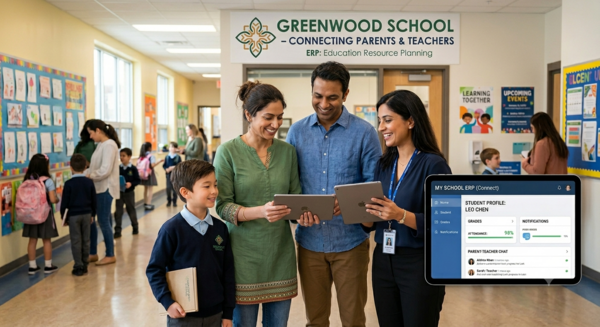
One of the key benefits is real-time parent notifications. As soon as attendance is recorded, parents can receive updates through a mobile app, SMS, or email, helping them stay informed about their child's school attendance.

The system also generates attendance reports, improves transparency, and strengthens communication between schools and parents. By keeping everyone connected, a School ERP system supports better student accountability and overall academic success.

School ERP System Helps Teachers Save Time and Focus on Students

School ERP System Helps Teachers Save Time and Focus on Students

How a School ERP Helps Teachers Save Time and Focus on Students

Teachers often spend a significant amount of time on administrative tasks such as attendance, report preparation, timetable management, and parent communication. A School Management System or School ERP helps automate these tasks, making daily operations faster and more efficient.

With features like digital attendance, automated report cards, centralized student records, and instant communication tools, teachers can reduce paperwork and manage their responsibilities more effectively. This allows them to spend more time teaching, interacting with students, and addressing individual learning needs.

A School ERP also provides valuable insights into student performance, helping teachers identify learning gaps and offer personalized support. As a result, classrooms become more engaging, productive, and student-focused.

In short, a School ERP improves time management for teachers, reduces administrative workload, and enables them to focus on delivering quality education and supporting student success.

Student Dropout A Serious Challenge for Schools and Society

Student Dropout A Serious Challenge for Schools and Society

Student Dropout: A Serious Problem in Schools

Student dropout is a major challenge that affects both schools and society. When students leave school before completing their education, they miss valuable opportunities for personal growth, higher education, and better career prospects.

Several factors contribute to dropout, including financial difficulties, family issues, academic struggles, lack of motivation, and poor attendance. The impact is significant, often leading to limited employment opportunities and reduced social and economic development.

Schools can help prevent dropout by providing academic support, counseling, regular parent-teacher communication, and a positive learning environment. Early intervention and encouragement can make a meaningful difference in keeping students engaged.

Every child deserves the chance to complete their education. By working together, schools, families, and communities can reduce dropout rates and help students build a brighter future.

The Importance of Sports in a Student’s Life

The Importance of Sports in a Student’s Life

Sports play an important role in a student's life by promoting physical fitness, mental well-being, teamwork, discipline, and leadership skills. Participation in sports helps students build confidence, improve concentration, manage stress, and develop a healthy competitive spirit. Beyond academics, sports contribute to the overall personality development of students, preparing them for success both on and off the field.

Balancing School Books and Digital Education

Balancing School Books and Digital Education

Balancing School Books and Digital Education

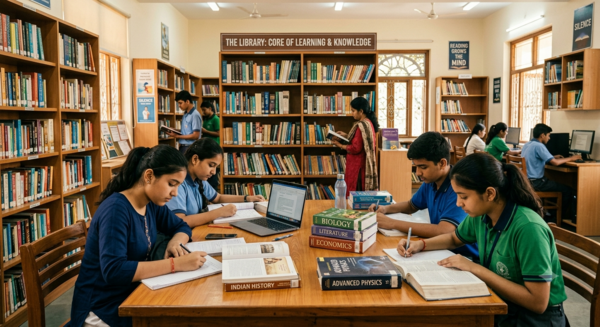
In the modern era, education is most effective when traditional school books and digital learning work together. School books help students build strong reading habits, improve concentration, and develop a deep understanding of subjects. They provide a structured foundation for academic success and encourage focused learning.

Digital education, on the other hand, makes learning more interactive and engaging through smart classrooms, educational videos, online resources, and virtual activities. It helps students understand complex concepts easily while developing important technological skills needed for the future.

A balanced approach combines the strengths of both methods. Students can learn core concepts from textbooks and enhance their understanding through digital tools and multimedia resources. This not only improves academic performance but also promotes creativity, critical thinking, and problem-solving skills.

By maintaining the right balance between books and technology, schools can create a dynamic learning environment that prepares students for success in an increasingly digital world while preserving the value of traditional education.

Schools Can Help Students Maintain Good Mental Health

Schools Can Help Students Maintain Good Mental Health

How Schools Can Help Students Maintain Good Mental Health

Mental health is important for every student's growth and success. Schools play a key role in supporting students' mental well-being by creating a safe, friendly, and positive environment.

Teachers and school counselors can help students deal with stress, anxiety, and personal problems. Schools can also promote mental health awareness through workshops and open discussions, encouraging students to express their feelings without fear.

Activities such as sports, art, music, and meditation help students relax and reduce stress. Schools can further support mental health by reducing excessive academic pressure and teaching social and emotional skills.

In conclusion, schools can greatly improve students' mental health by providing support, understanding, and opportunities for personal development, helping them lead happier and healthier lives.

How Schools Can Assure Safety and Security for Every Student

How Schools Can Assure Safety and Security for Every Student

How Schools Assure Safety and Security

A safe and secure environment is essential for students to learn, grow, and thrive. Modern schools implement multiple measures to ensure the well-being of every child.

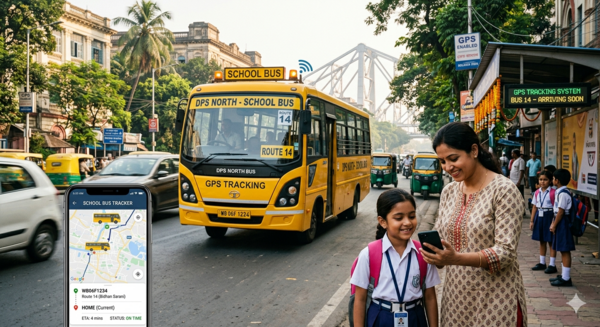
Key safety practices include 24/7 CCTV surveillance, controlled campus access, and trained security personnel to monitor and protect the school premises. Many schools also provide GPS-enabled transportation, ensuring safe travel for students.

Regular fire drills, emergency preparedness programs, and well-equipped medical facilities help schools respond effectively to unexpected situations. In addition, strict child protection policies, staff background checks, and anti-bullying initiatives create a secure and supportive atmosphere.

With a combination of advanced security systems, safety protocols, and a caring school culture, schools can provide students with a protected environment where they can focus on learning and personal development.

AI and Robotics Have Become an Important Part of School Education

AI and Robotics Have Become an Important Part of School Education

Why AI and Robotics Are Important in School Education

AI and Robotics have become an essential part of modern education because they prepare students for a technology-driven future. These subjects help students develop important skills such as coding, problem-solving, creativity, critical thinking, and innovation.

Through hands-on learning and practical projects, students gain exposure to emerging technologies used in industries worldwide. AI and Robotics also make learning more interactive, engaging, and future-focused.

By introducing AI and Robotics at an early stage, schools empower students with the knowledge and confidence needed for future careers and real-world challenges.

Automated School Systems Are Better Than Manual School Systems

Automated School Systems Are Better Than Manual School Systems

Why Automated School Systems Are Better Than Manual Systems

In today’s digital world, automated school systems are transforming the way schools operate. Unlike manual systems that depend on paperwork and human effort, automated systems use technologies like School ERP Software, RFID Attendance, mobile apps, and cloud-based management to improve efficiency and accuracy.

Manual systems are time-consuming, difficult to manage, and prone to errors in attendance, records, and fee management. Communication with parents is also slower and less effective.

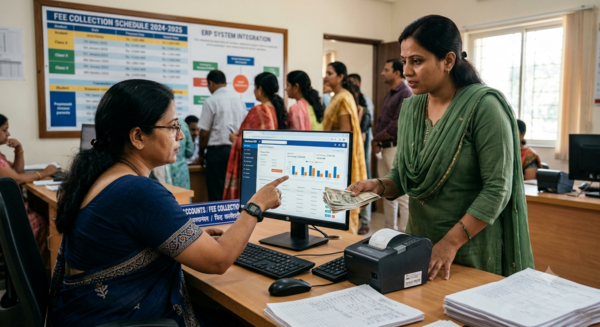
On the other hand, automated school systems simplify daily operations such as attendance tracking, fee collection, examinations, report generation, and communication. RFID attendance systems provide real-time updates to parents, improving student safety and transparency.

Automation also reduces paperwork, saves time, improves data security, and helps schools make smarter decisions through reports and analytics.

Modern schools prefer automated systems because they create a smarter, faster, and more connected learning environment for students, teachers, and parents.

In conclusion, automated school systems are more efficient, secure, and reliable than manual systems, making them essential for the future of education.