
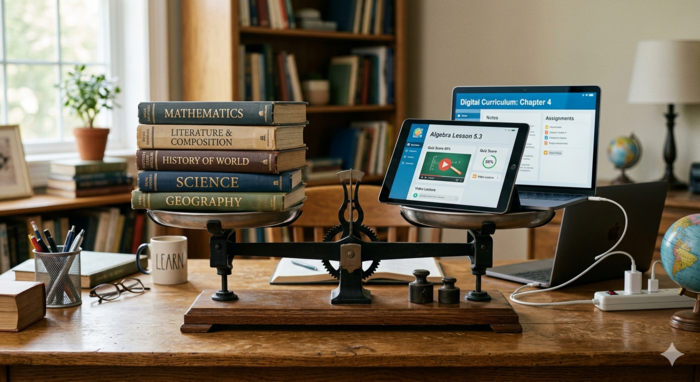
Balancing School Books and Digital Education: The Key to Effective Learning
In today's rapidly evolving educational landscape, the debate between traditional school books and digital education has become increasingly relevant. While technology has transformed the way students learn, textbooks continue to play a vital role in building strong academic foundations. The ideal approach is not choosing one over the other but creating a balanced learning environment that combines the strengths of both.
School books provide a structured and focused learning experience. Reading from textbooks helps students improve concentration, comprehension, and retention of information. Physical books minimize distractions and encourage deep learning, critical thinking, and effective note-taking. They also offer a reliable source of information that students can access without requiring internet connectivity or electronic devices.
On the other hand, digital education brings flexibility, interactivity, and innovation to the classroom. Smart classrooms, educational apps, online resources, videos, simulations, and virtual learning platforms make complex concepts easier to understand. Digital tools cater to different learning styles and allow students to learn at their own pace. They also help develop essential technological skills that are increasingly important in higher education and future careers.
A balanced education system integrates traditional books with modern digital resources. For example, students can learn core concepts from textbooks and then reinforce their understanding through interactive videos, online quizzes, and digital presentations. Teachers can use smart boards and multimedia content to make lessons more engaging while maintaining the academic rigor provided by textbooks.
This blended approach also helps students develop a healthy relationship with technology. Excessive screen time can lead to distractions, eye strain, and reduced attention spans. By balancing digital learning with book-based study, schools can ensure that students benefit from technology without becoming overly dependent on it.
Parents and educators play a crucial role in maintaining this balance. Encouraging students to read books regularly while using digital tools for research, practice, and collaboration can create a more effective and enriching learning experience. Schools that successfully combine traditional and digital learning methods are better equipped to prepare students for the challenges of the modern world.
The future of education lies in blending the best of both worlds. School books provide depth, discipline, and foundational knowledge, while digital education offers accessibility, engagement, and innovation. Together, they create a comprehensive learning ecosystem that fosters academic excellence, critical thinking, creativity, and lifelong learning. By maintaining the right balance between textbooks and digital education, schools can empower students to become confident, knowledgeable, and future-ready individuals.